Pasture-raised cattle, goats & chickens
Our animals are raised on pasture, moved regularly to give the land time to recover, and cared for by people who know them individually. We prefer to sell privately.
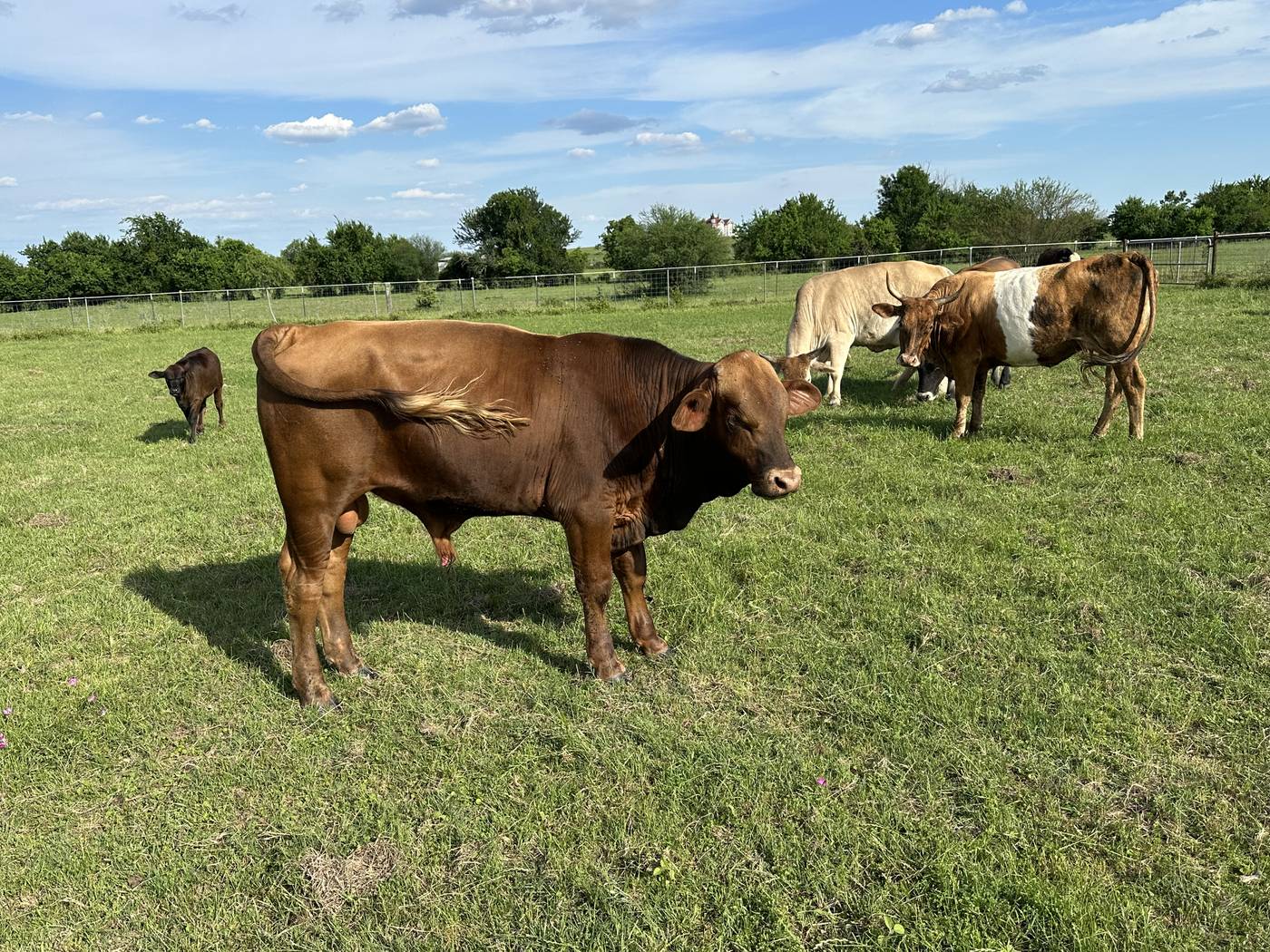
Pasture-raised beef cattle
Brahman and Brahman-cross cattle, raised on rotationally grazed Central Texas pasture. Contact us to ask about availability.
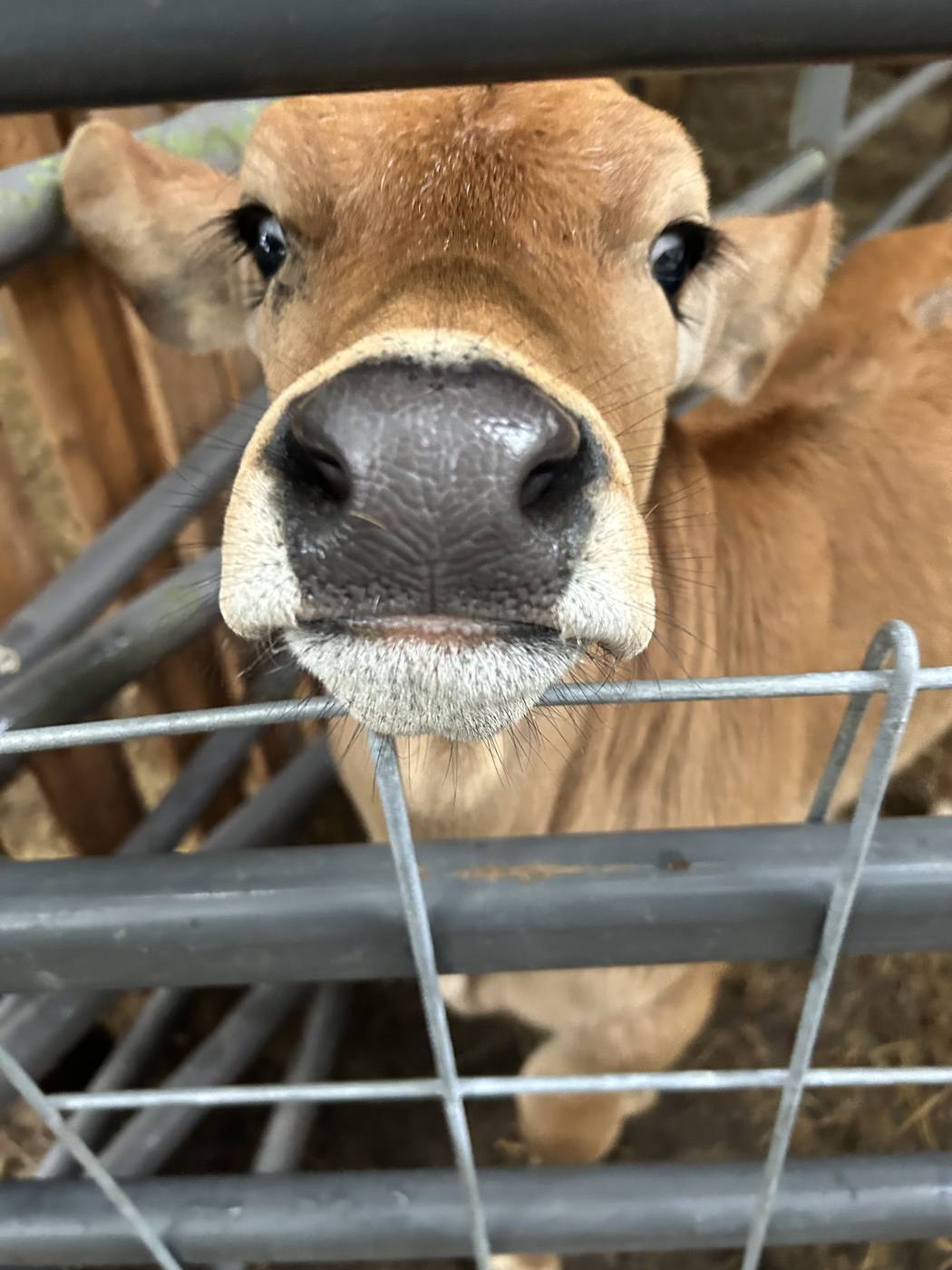
Curious calves
Born and raised here, handled from an early age. Used to people and easy to work with.
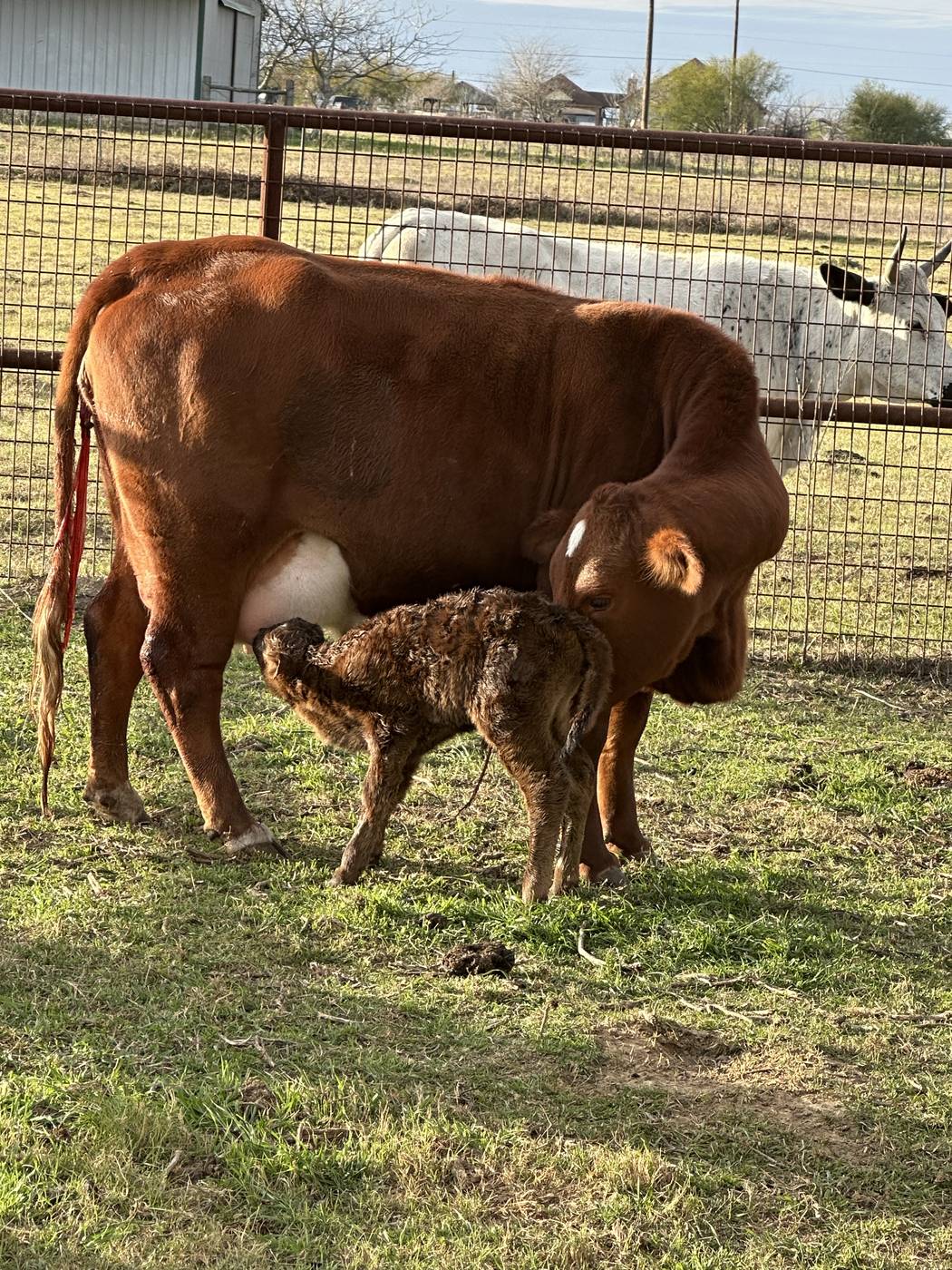
Heifers & pairs
Mother-calf pairs with good maternal lines. Gentle disposition, well-adapted to Central Texas summers.
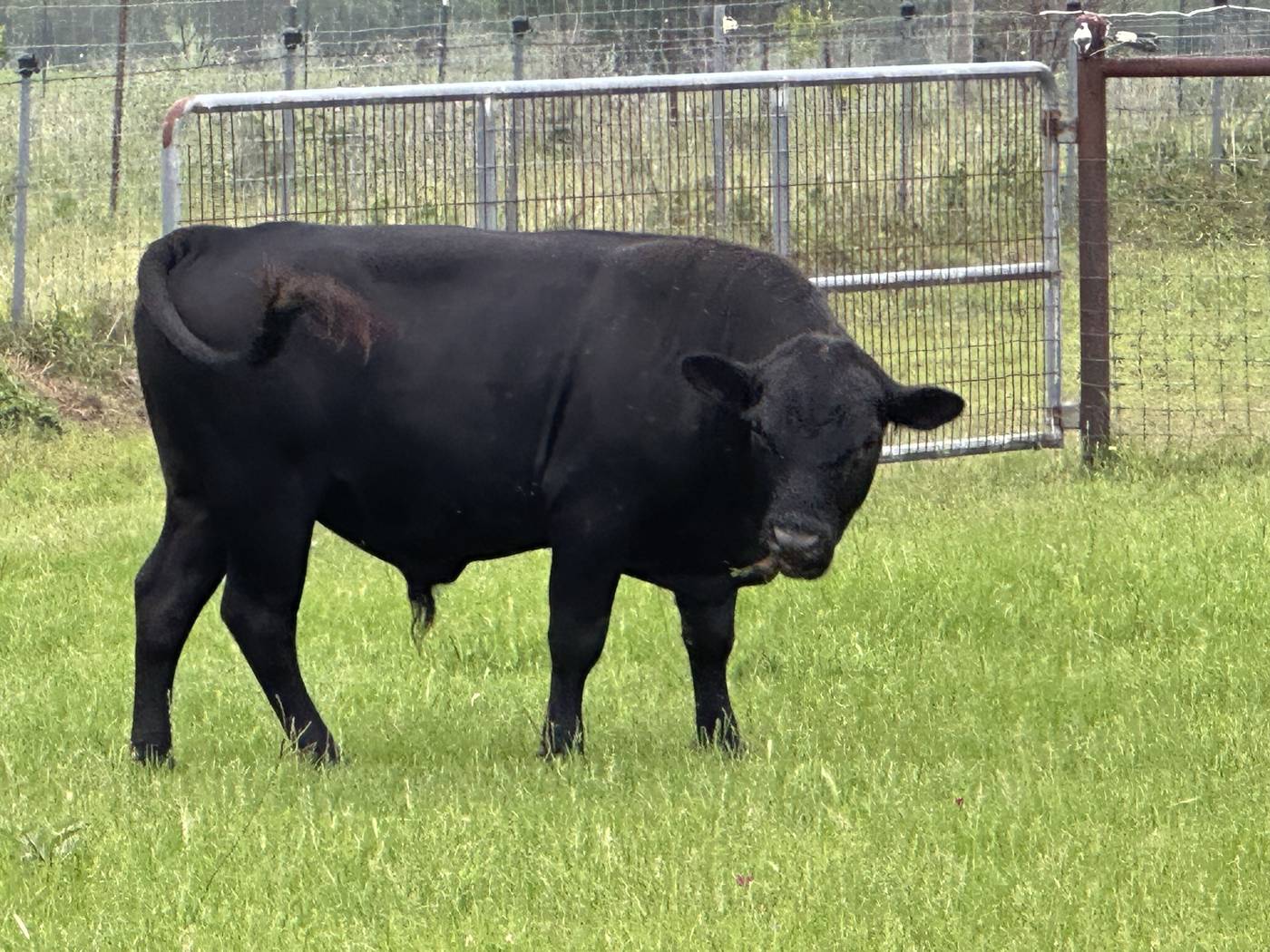
Raisin
Our mini black bull. Small in stature, big in personality — and surprisingly effective.
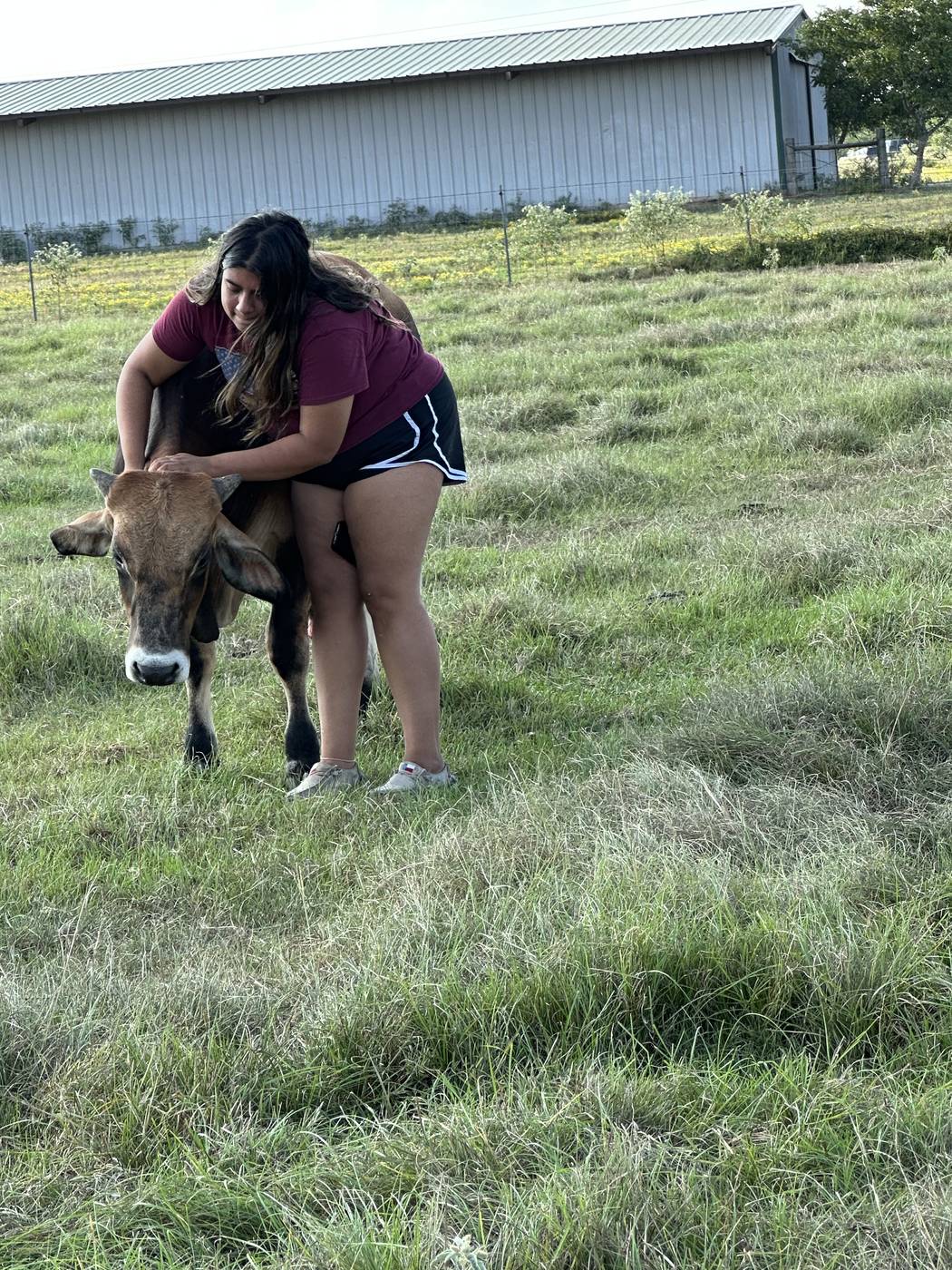
Human-raised
Regular handling from birth makes for calmer, easier-to-work-with cattle that trust people.
How we manage the pasture — rotational grazing
Rather than letting cattle graze a pasture continuously until it's exhausted, we move animals between paddocks on a rotating schedule. Each section gets a rest period — typically several weeks — which allows grass to recover, root systems to deepen, and soil biology to rebuild. The result is more productive pasture over time, better soil organic matter, and healthier animals that aren't competing for overgrazed ground.
Rotational grazing is one of the core practices of regenerative agriculture. It mimics the movement patterns of wild grazing herds and, done well, builds the land rather than depleting it. Our manure composting program complements this — the nutrients animals deposit on the land are managed and returned rather than lost.
Interested in cattle? We sell privately — minimizing stress for the animals. Tell us what you're looking for and we'll let you know what's available and when.
Get in touchGoats — the brush crew
Our goats earn their keep in ways that go well beyond being livestock. Goats are natural browsers — they prefer woody brush, briars, and invasive vegetation over grass. On a Central Texas farm fighting cedar regrowth, thorny brush, and invasive species, a small goat herd is one of the most effective and lowest-cost brush management tools available.
They work areas that are difficult to mow, clear young cedar before it establishes, and reduce fire fuel load along fence lines and in wooded patches — all while fertilizing as they go. Good-tempered and manageable, they're also well-suited for small acreage operations looking for natural land management without herbicides or heavy equipment.
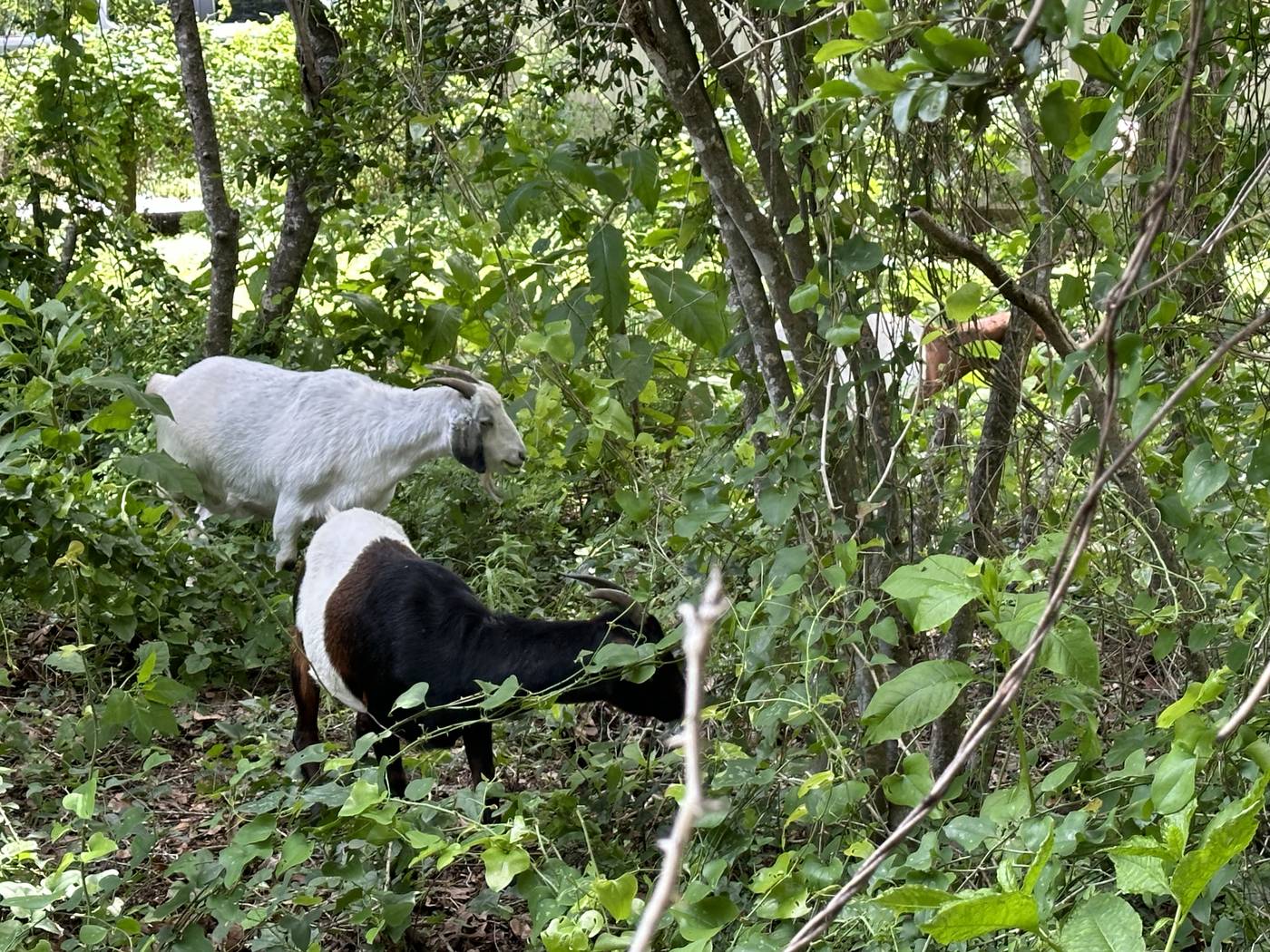
Natural brush clearing
Goats tackle invasive brush, cedar sprouts, and briars that cattle won't touch. Working while grazing — that's productive livestock.
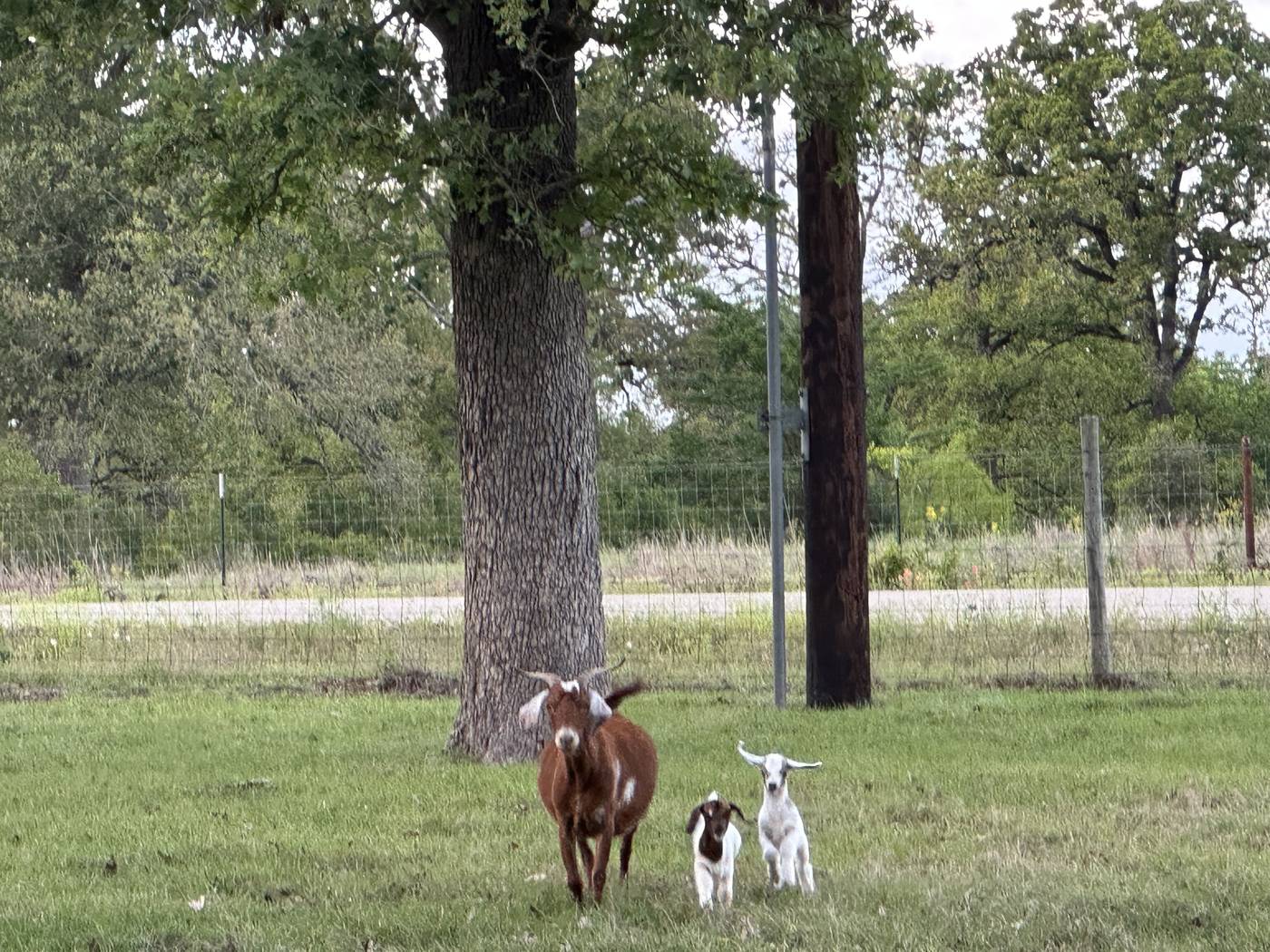
Good mothers
Well-tempered does that raise their kids with minimal intervention. Available as pairs or individually.
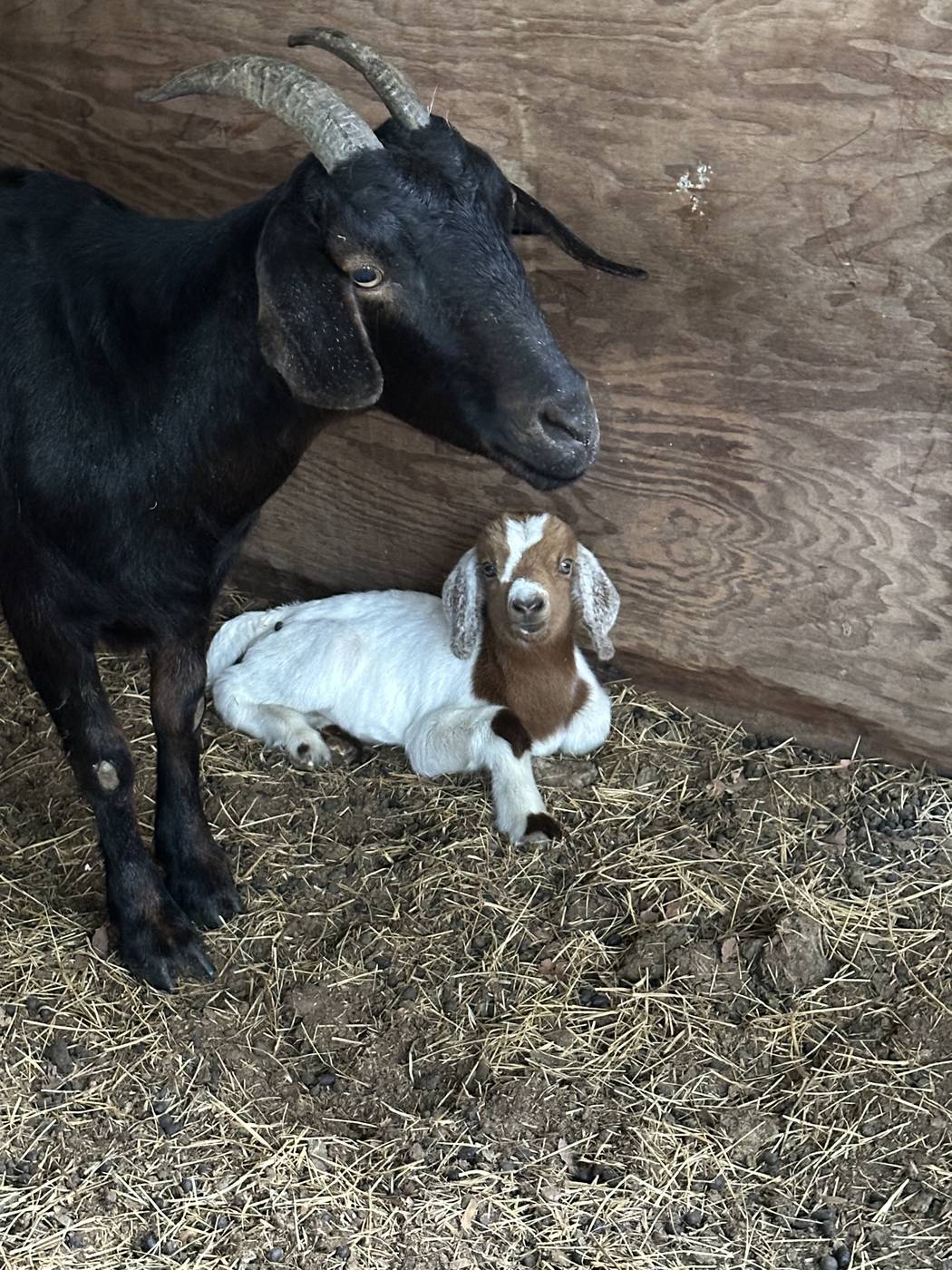
Nanny & kid
Our does have consistent kidding and calm dispositions. Ideal for small homesteads or anyone starting with goats.
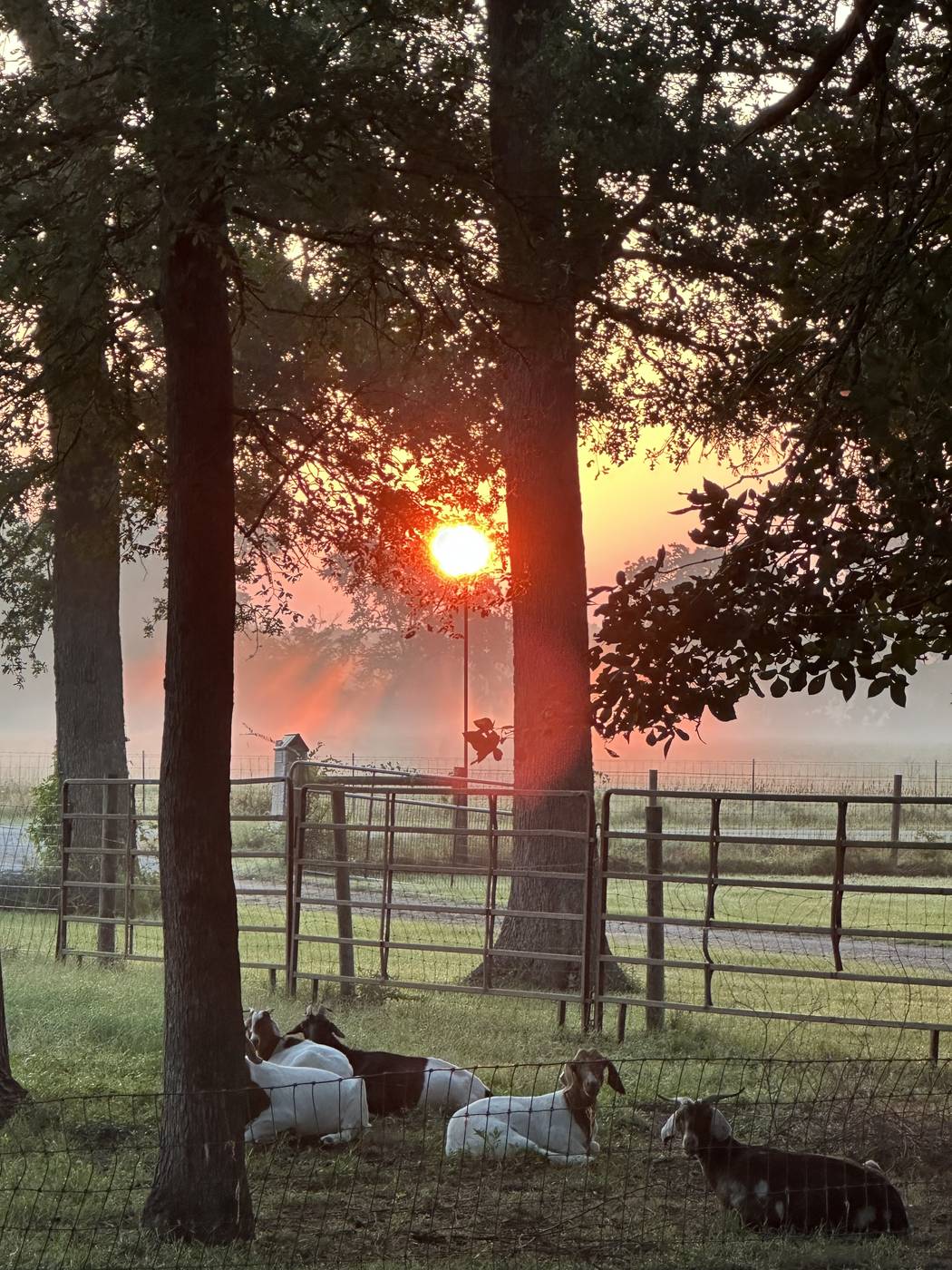
Early risers
Up before most people, out working the brush line by the time the sun clears the oaks.
Interested in goats? Great for small acreage, homesteads, or anyone looking for natural brush management. Contact us to ask about availability.
Get in touchChickens — greeters, scratchers, and soil builders
Our chickens are free-range and they know it. They're the first ones to greet visitors at the gate, the first to investigate anything new on the farm, and reliably the most opinionated members of any conversation happening near the barn.
Beyond eggs, our chickens play a real ecological role on the farm — one that follows the model described by farmer and author Joel Salatin, whose polyculture approach integrates chickens as active participants in soil health and pest management. Chickens scratch the soil constantly, breaking up compaction, turning in organic matter, and exposing insect larvae and weed seeds. Their manure, distributed as they range freely, is among the most nitrogen-rich available and acts as a natural fertilizer wherever they roam.
The chicken-pasture connection
In Salatin's famous Polyface Farm model, chickens follow cattle through paddocks a few days after grazing — scratching through manure piles to eat fly larvae, spreading the material, and fertilizing in the process. The cattle-chicken sequence breaks pest cycles naturally and distributes nutrients across the pasture. We're working toward this integration at Sunstrike Farm, following the principle that each animal on a well-designed farm is doing multiple jobs at once.
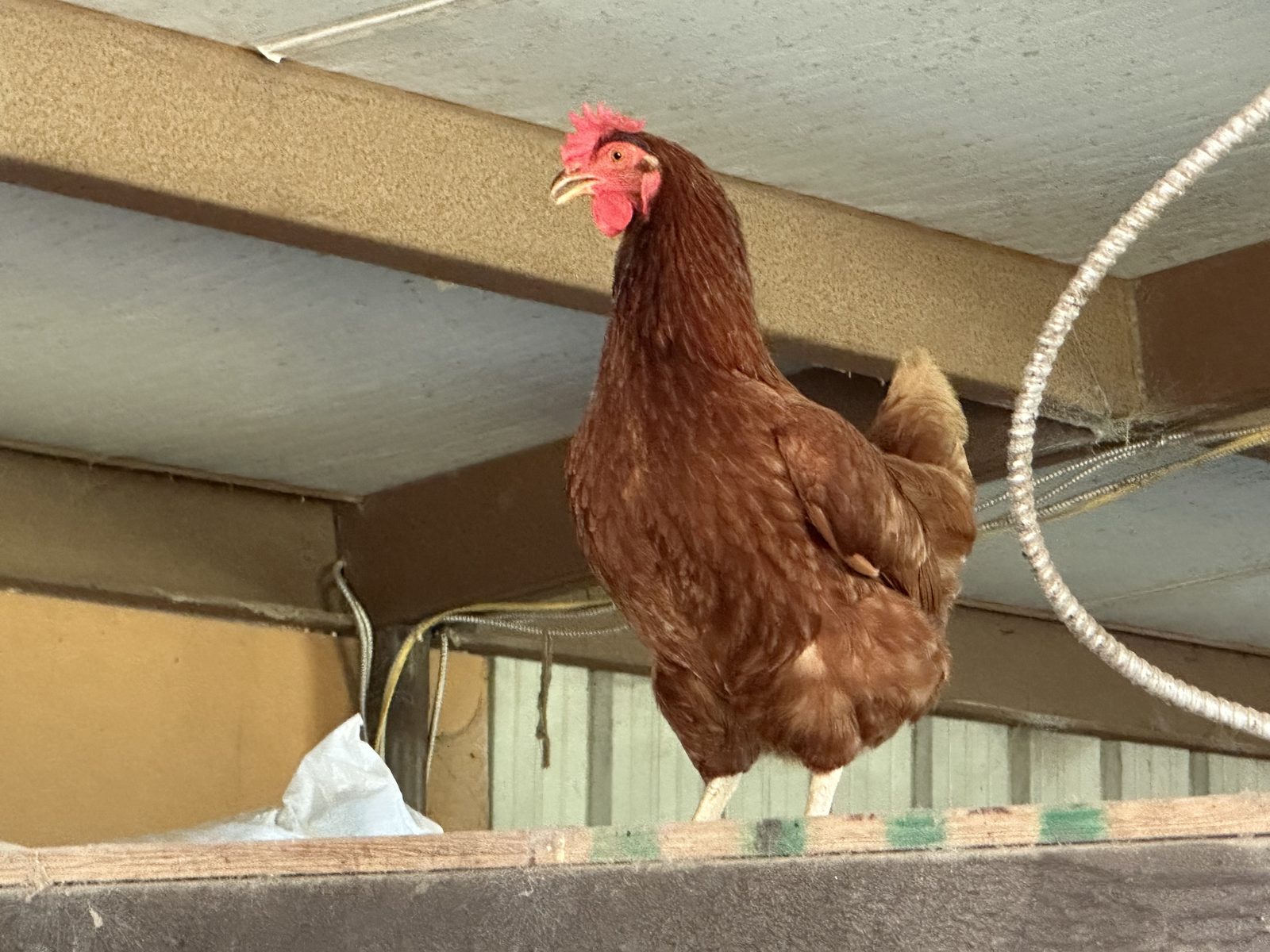
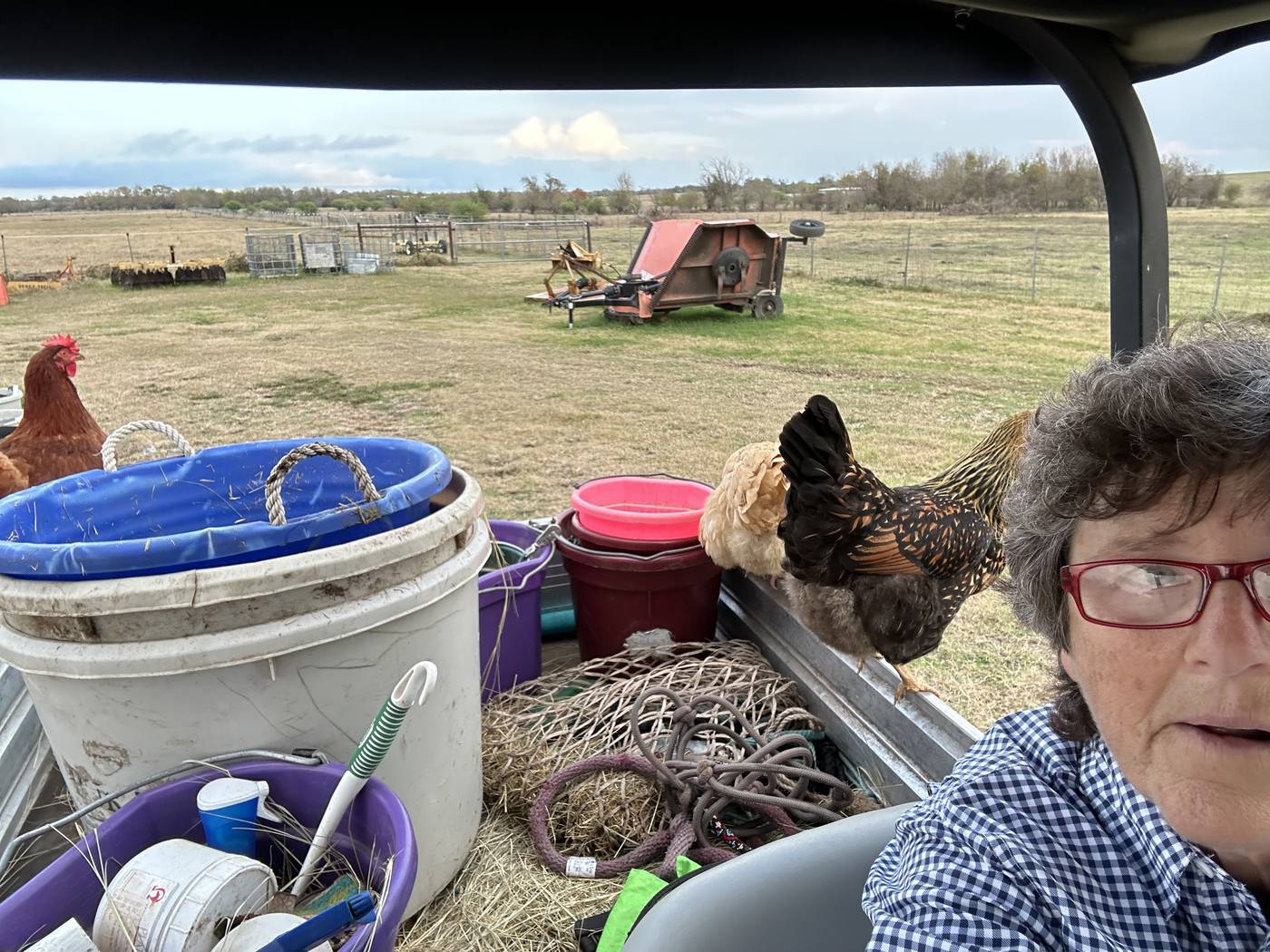
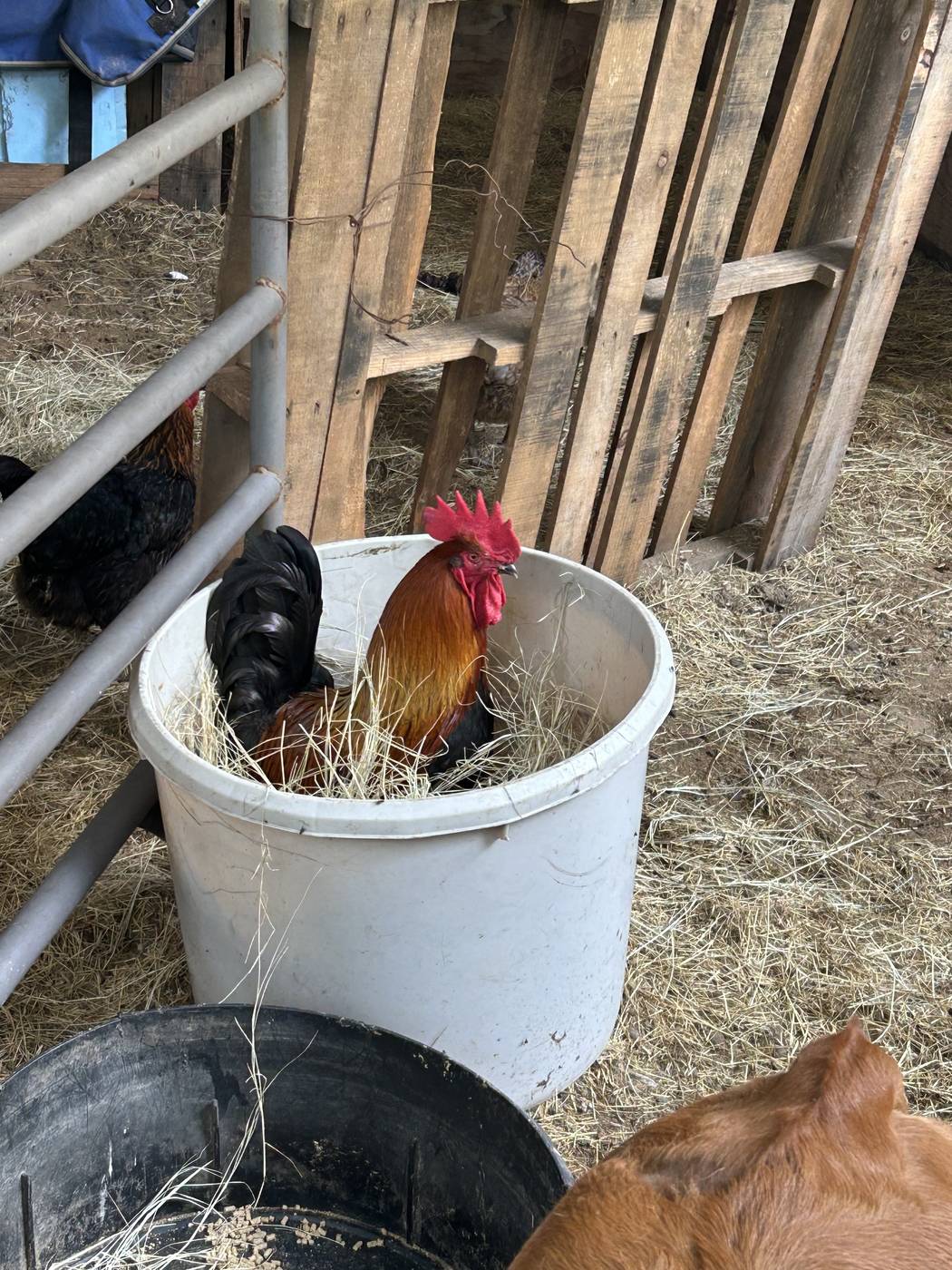
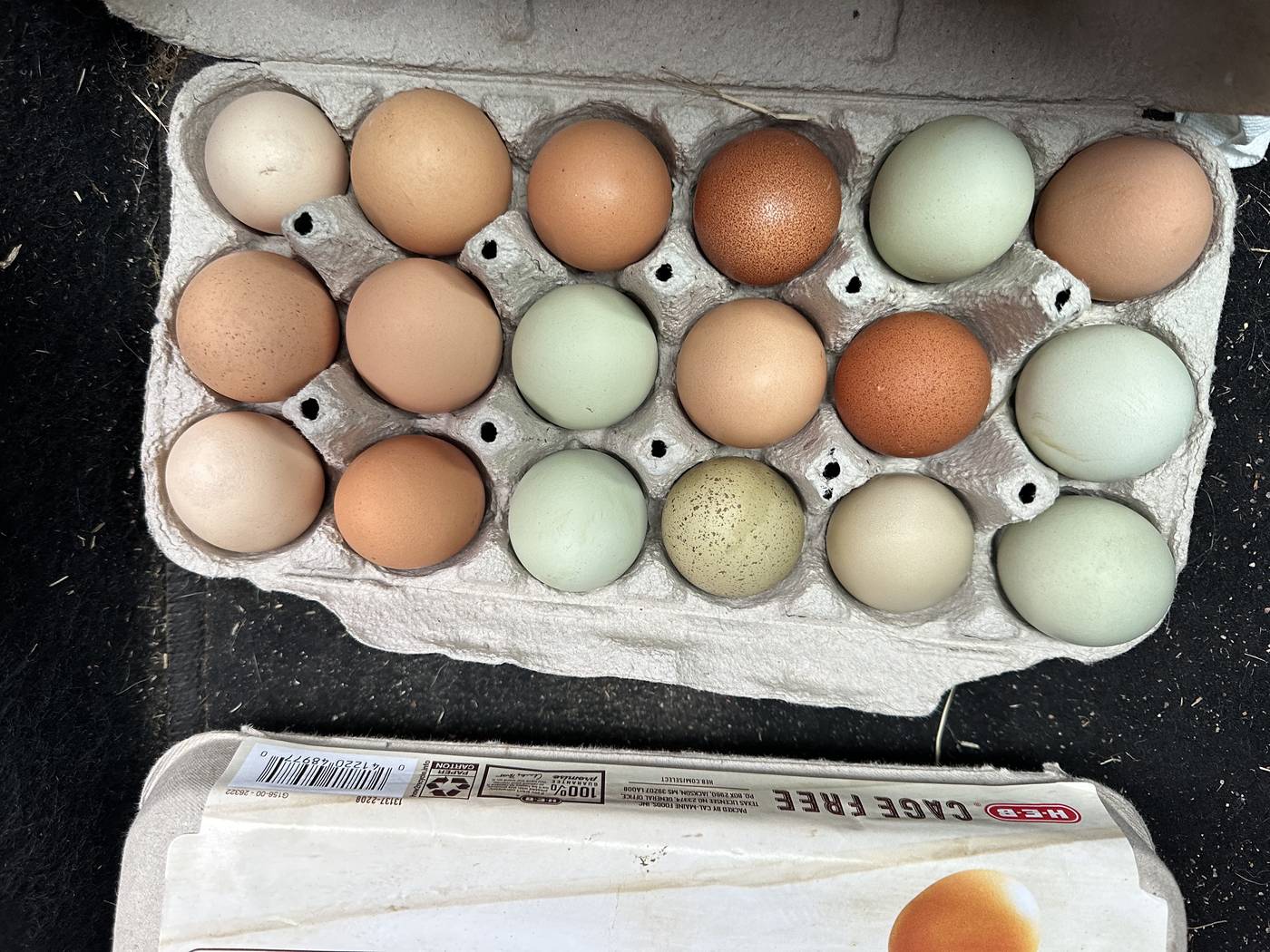
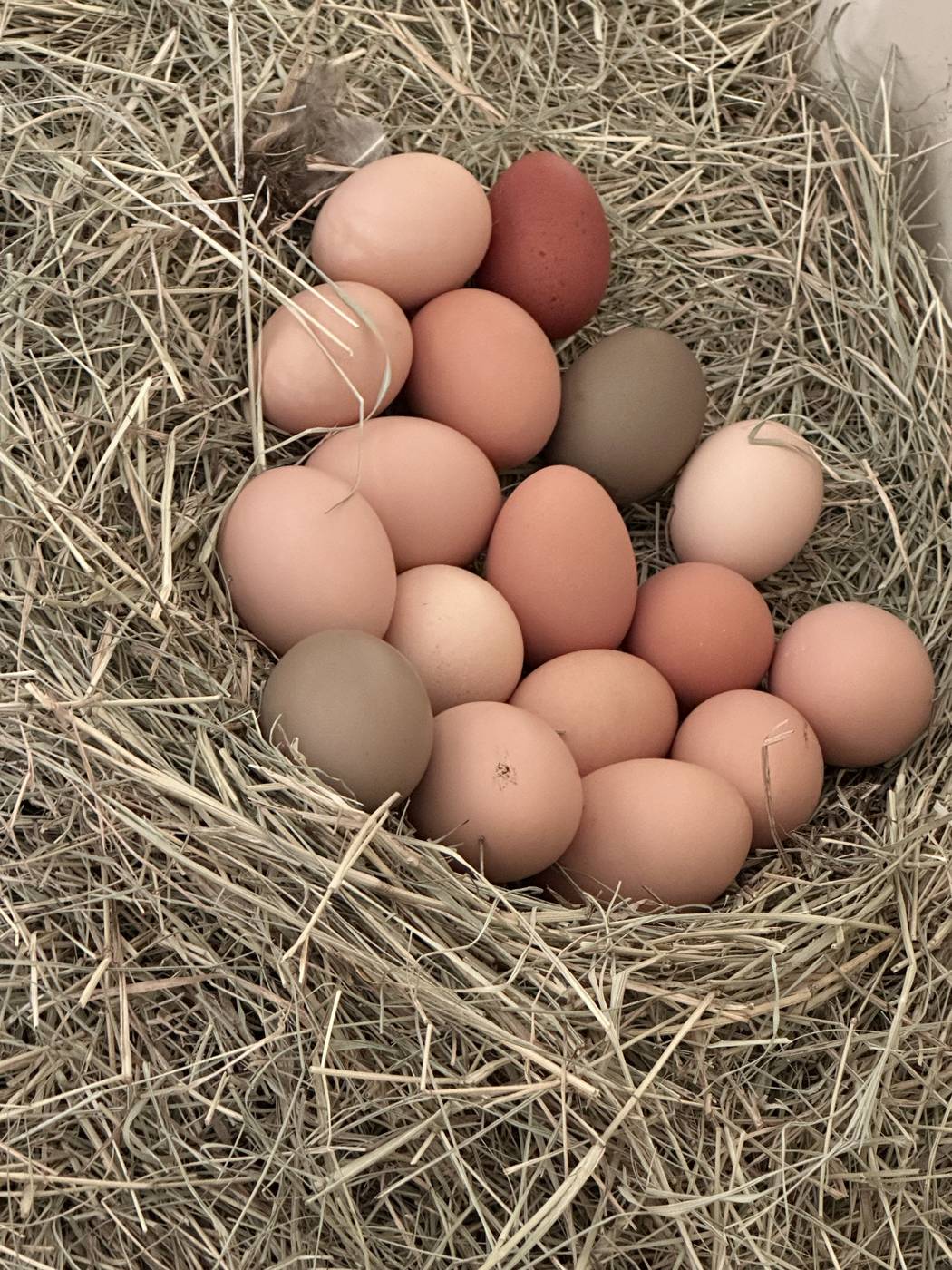
We have about three dozen eggs a week to share — neighbors and friends first. Text us to ask about availability. Eggs are not for sale through the shop; they're part of how we take care of the people around us.